British Virgin Islands
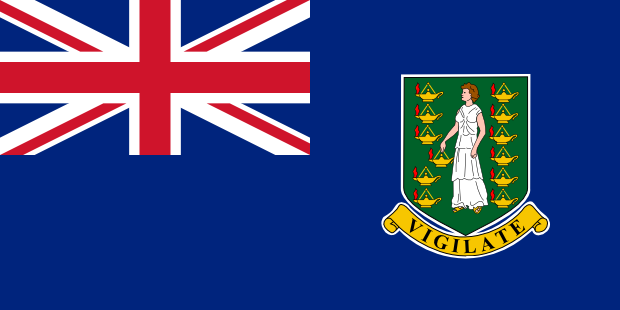
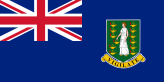
Country flag available in this resolutions
| Icon 32x16 |  |
| Icon 88x44 |  |
British Virgin Islands
The British Virgin Islands: A Jewel of the Caribbean
The British Virgin Islands (BVI), a British Overseas Territory located in the northeastern Caribbean, are a captivating archipelago renowned for their pristine beaches, crystal-clear waters, and vibrant marine life. Comprising over 50 islands, cays, and islets, the BVI offer a unique blend of natural beauty, rich history, and a thriving economy, making them a sought-after destination for tourists and investors alike. This article will delve into the demographics, economy, geography, and history of this enchanting territory, painting a comprehensive picture of its multifaceted identity.
Geography and Natural Beauty
The BVI are situated east of Puerto Rico and the U.S. Virgin Islands, forming part of the Lesser Antilles island chain. The main islands include Tortola, the largest and most populous; Virgin Gorda, known for its distinctive Baths; Anegada, a flat coral island famous for its lobster; and Jost Van Dyke, a small island celebrated for its lively beach bars and laid-back atmosphere. The topography of the BVI is characterized by volcanic origins, resulting in lush, mountainous interiors on many of the islands, interspersed with dramatic rocky formations and secluded coves. The surrounding waters are an angler’s and sailor’s paradise, boasting sheltered bays, excellent anchorages, and abundant coral reefs teeming with diverse aquatic species. The climate is tropical, with warm temperatures year-round, moderated by trade winds, and distinct wet and dry seasons. The natural beauty of the BVI is arguably its most significant asset, attracting a steady stream of visitors eager to explore its underwater wonders through snorkeling and diving, or to navigate its azure seas by sailboat. The iconic Baths on Virgin Gorda, with their giant granite boulders forming sheltered pools and grottos, are a testament to the geological marvels that dot the landscape.
Demographics and Culture
The population of the British Virgin Islands is relatively small, estimated to be around 30,000 to 35,000 people. The majority of the inhabitants are of African descent, with a significant portion tracing their ancestry back to enslaved Africans brought to the islands during the colonial era. There is also a notable presence of people of European and Asian descent, contributing to the territory’s diverse cultural tapestry. English is the official language, and the culture is a vibrant fusion of African, British, and Caribbean influences, evident in its music, cuisine, and festivals. The dominant religion is Christianity, with various denominations represented. The society is generally considered friendly and welcoming, with a strong sense of community. Despite its small size, the BVI have a well-developed infrastructure, including modern healthcare facilities and educational institutions. The pace of life is often described as relaxed and unhurried, reflecting the quintessential Caribbean lifestyle, yet there is also a dynamism driven by the thriving financial services sector and the tourism industry.
A Rich and Complex History
The history of the British Virgin Islands is a narrative shaped by exploration, colonization, and economic transformation. Indigenous peoples, likely the Arawak and Carib tribes, were the first inhabitants of these islands. European exploration began in the late 15th century with Christopher Columbus, who claimed the islands for Spain. However, the BVI were not permanently settled until the 17th century when the English established colonies, primarily for the cultivation of sugar cane. This period was marked by the brutal system of slavery, with enslaved Africans forming the backbone of the plantation economy. Following the abolition of slavery in 1834, the economy underwent significant shifts. The sugar industry declined, and the islands struggled economically for much of the 20th century. A pivotal moment came in the 1960s when the British Virgin Islands officially became a British Overseas Territory, a status that allowed for greater self-governance and fostered economic development. The discovery of the islands potential as an offshore financial center in the latter half of the 20th century proved to be a game-changer. Coupled with the burgeoning tourism industry, this economic diversification propelled the BVI into a new era of prosperity. The islands have also witnessed periods of piracy and naval skirmishes, given their strategic location, adding a romanticized, albeit often harsh, chapter to their past.
A Thriving Economy
The economy of the British Virgin Islands is remarkably robust, primarily driven by two major sectors: offshore financial services and tourism. The territory has established itself as a leading global center for offshore finance, attracting a significant number of international business companies due to its favorable regulatory environment, political stability, and tax-neutrality. This sector provides substantial revenue through company registration fees, licensing, and other associated services, creating high-paying jobs for a portion of the local population. The tourism industry is the other cornerstone of the BVI economy. Its world-renowned sailing, diving, and luxury resort offerings draw visitors from across the globe. The islands are particularly popular among yachtsmen, with numerous marinas and charter companies catering to this clientele. The government has made significant investments in infrastructure to support both sectors, including modern airports, well-maintained roads, and telecommunications networks. While these two pillars are dominant, there are also smaller contributions from agriculture, fishing, and local trade. The BVI have managed to achieve a high per capita income, largely due to the success of its offshore financial services industry, which has enabled significant investment in public services and infrastructure.
Governance and Future Outlook
The British Virgin Islands operate under a parliamentary democracy, with a Governor appointed by the British Crown serving as the head of state, and a Premier as the head of government. The territory has a Legislative Council responsible for making laws. The BVI are committed to maintaining their status as a reputable international financial center while also striving to enhance their tourism product and diversify their economy further. Challenges remain, including environmental sustainability, particularly in the face of climate change, and the ongoing need to adapt to evolving international financial regulations. However, the resilience and forward-thinking approach of the BVI government and its people suggest a bright future for this idyllic Caribbean territory, one that continues to balance its natural splendor with economic prosperity and a rich cultural heritage.
Information about country British Virgin Islands
Automated text translation, excuse errors, please!
Informations are from the publication CIA The World Factbook.
Country British Virgin Islands is situated in a location / continent Central America. British Virgin Islands has an area of 151 km2 and 31 148 residents. The highest point has a height 521 above sea level. and it is called Mount Sage. The lowest point is located at the level of 0 above sea level and it is named Caribbean Sea. The capital city is Charlotte Amalie. British Virgin Islands has the international abbreviation VI.
British Virgin Islands - economy
Total gross domestic product (GDP) is 853 400 000 $. Total gross domestic product per capita in purchasing power parity is 38 500 $. GDP grows by -0.60 % a year. Inflation (consumer price index) is equal to 4.10 % a year. British Virgin Islands have 12 770 working-age population (from a total population 31 148 people). Unemployment is at 3.60 %. The total amount of foreign debt is 36 100 000 USD.
British Virgin Islands - transport and telecommunications
British Virgin Islands has 200 km of roads and 4 airports.
Number of active mobile phones (sim card) in the country British Virgin Islands is 46 800. Number of active fixed telephone lines is 26 800. British Virgin Islands has 4 000 internet users, who have the available 505 Internet connections. British Virgin Islands has been assigned a domain first Choose range .vg.
British Virgin Islands - demography
As suggested above, British Virgin Islands has 31 148 people. Population growth is in the amount 2.44 % per year. Number of children born per 1000 population per year is 10.69.Every mother has average 1.22 children. The infant mortality rate is 14.43 .Average estimated life expectancy makes 77.95 years. Mortality is 4.82 people per 1000 population per year.
British Virgin Islands - energetics
British Virgin Islands consumes a year 46 500 000 kWh of electricity. Annual electricity production is 50 000 000 kWh in power plants with a total installed electrical capacity 10 000 kW. British Virgin Islands exports 0 kWh and imports 0 kWh of electricity per year Energy mix of power generation is as follows: fossil fuels: 100 %, nuclear energy: 0 %, renewable: 0.0 %, hydropower: 0.0 %.
Flags
World flags
World flags
Flags of the World countries
Dále doporučujeme:
Doporučené odkazy na zajímavé webyDoporučené odkazy a zdroje obsahu
Tipy na Partnerské weby
Zajímavé internetové odkazy
Doporučené internetové odkazy
 |
 |
 |
 |
 |
 |
 |
 |
 |
 |
 |
 |
 |
 |
 |
 |
 |
 |
 |